
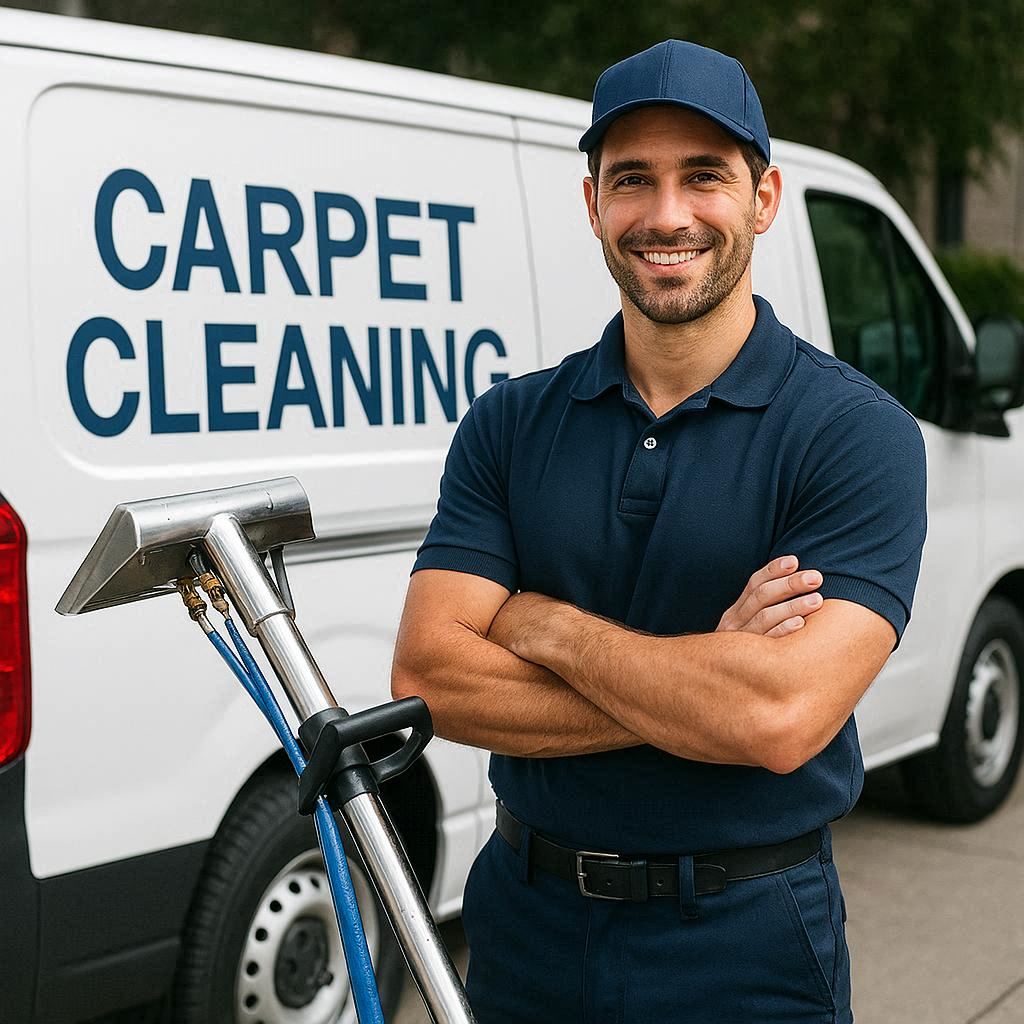
Carpet cleaning is often seen as an attractive business opportunity. There’s strong demand, repeat customers, and the promise of good earnings with relatively low startup costs. But like any service-based business, it comes with its own set of challenges — and many new carpet cleaning companies struggle not because the industry is flawed, but because the pitfalls aren’t understood early enough.
Knowing what can go wrong is one of the smartest ways to improve your chances of success.
Underestimating the Cost of Proper Equipment
One of the biggest misconceptions about carpet cleaning is that it’s cheap to do properly. While entry-level machines exist, professional results require serious investment.
High-quality extraction machines, agitation tools, chemicals, and ongoing maintenance quickly add up. New starters sometimes cut corners, only to find they can’t achieve the results customers expect — leading to complaints, re-cleans, or damage to reputation.
The pitfall isn’t spending money — it’s spending too little in the wrong places.
A Steep Learning Curve
Carpet cleaning is far more technical than it looks. Different fibres, backing materials, stains, and previous treatments all affect how a carpet should be cleaned. Using the wrong method can cause shrinkage, colour bleed, or permanent damage.
Many people underestimate how much training and experience matters. This isn’t just about cleaning — it’s about understanding materials, chemistry, and risk management.
Pricing Pressure and Undervaluing the Service
Because carpet cleaning is competitive, new businesses often feel pressured to underprice themselves to win work. This can quickly become a trap.
Low prices mean:
- Longer hours for less reward
- Difficulty upgrading equipment
- Little buffer for mistakes or rework
Customers who choose purely on price are also the least loyal. Sustainable carpet cleaning businesses price for professionalism, not desperation.
Physically Demanding Work
Carpet cleaning involves heavy machines, hoses, repetitive movements, and long days on your feet. Add stairs, awkward access, and tight time slots, and the physical strain becomes very real.
Without realistic scheduling and proper technique, fatigue and injury can creep in — especially when trying to maximise bookings too early.
Inconsistent Workflows and Seasonal Fluctuations
Carpet cleaning demand can fluctuate. End-of-tenancy work, commercial contracts, and domestic cleans don’t always arrive evenly. New businesses often expect full diaries immediately and feel disheartened during quieter periods.
This pitfall is about expectations, not opportunity. Building consistent work takes time, trust, and visibility.
Weak Marketing and Local SEO
Many carpet cleaning businesses fail simply because customers can’t find them. Relying solely on word of mouth or social media often isn’t enough — especially in competitive areas.
A professional website, strong Google reviews, and local SEO are essential. Established service providers like Mayer Cleaning demonstrate how visibility and trust work together, particularly when promoting services such as carpet cleaning in Guildford.
A great clean doesn’t help if no one knows you exist.
Underestimating Ongoing Business Costs
Beyond equipment, there are running costs many beginners overlook:
- Vehicle fuel and maintenance
- Insurance and training renewals
- Replacement parts and chemicals
- Marketing and booking systems
Failing to account for these can make early profits look misleadingly high.
Trying to Scale Too Fast
Some carpet cleaning businesses grow quickly — and then fall apart just as fast. Taking on too much work without systems, backup equipment, or trained staff can damage reputation overnight.
Scaling should be deliberate, not reactive.
The Mental Side of Self-Employment
Running a carpet cleaning company means handling customer expectations, complaints, no-shows, and the pressure of being fully responsible for income. For some, this mental load is harder than the physical work.
The upside is that it builds strong decision-making skills and resilience — but only if you expect the challenge.
Final Thoughts
Carpet cleaning isn’t a shortcut to easy money. It’s a skilled, demanding trade that rewards preparation, professionalism, and patience. The pitfalls are real — but they’re also avoidable.
Those who succeed don’t ignore the challenges. They plan for them.
With the right mindset, training, and systems, carpet cleaning can still be a solid, long-term business — just not a casual one.
