
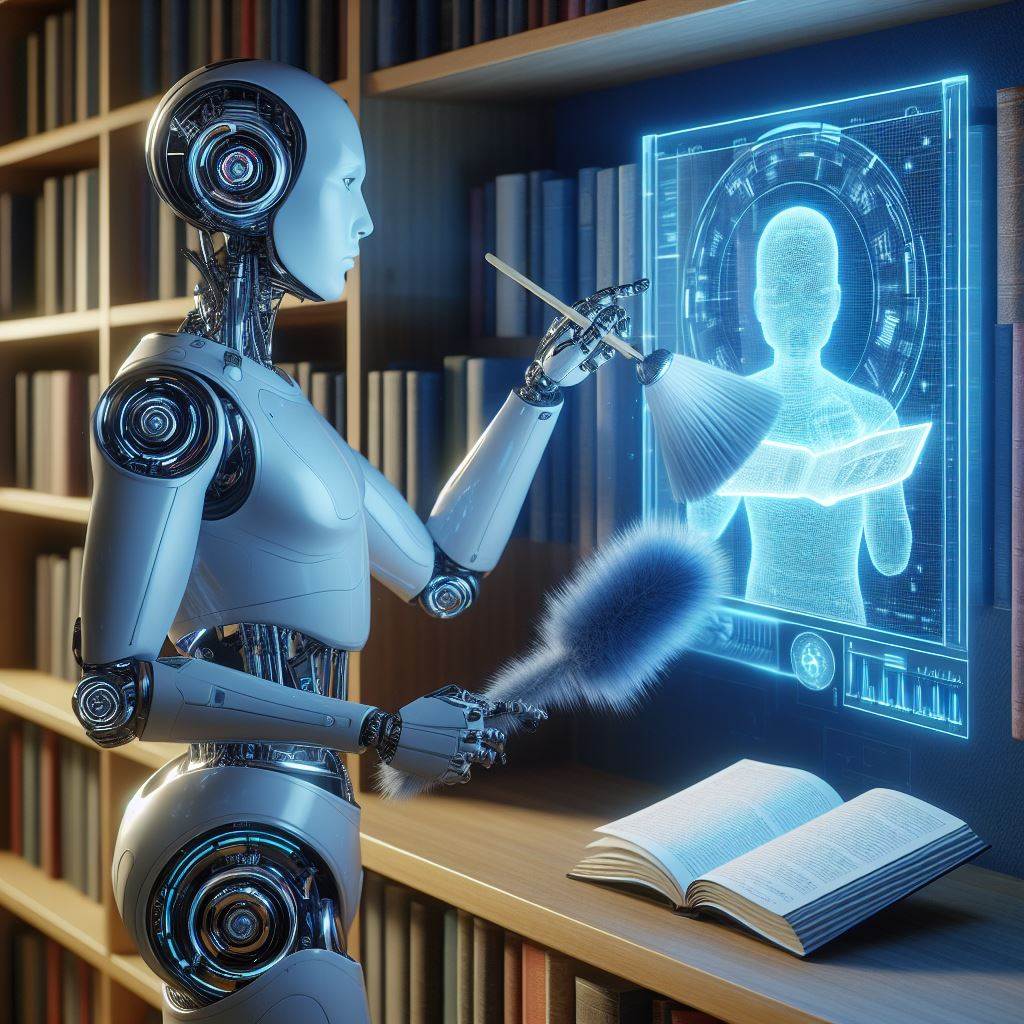
Artificial Intelligence (AI) has already transformed numerous industries, from healthcare to finance, and now it’s poised to revolutionise the cleaning industry. With advancements in AI technology, the future of cleaning promises to be more efficient, effective, and environmentally friendly than ever before. Here’s a glimpse into how AI will impact cleaning in the future:
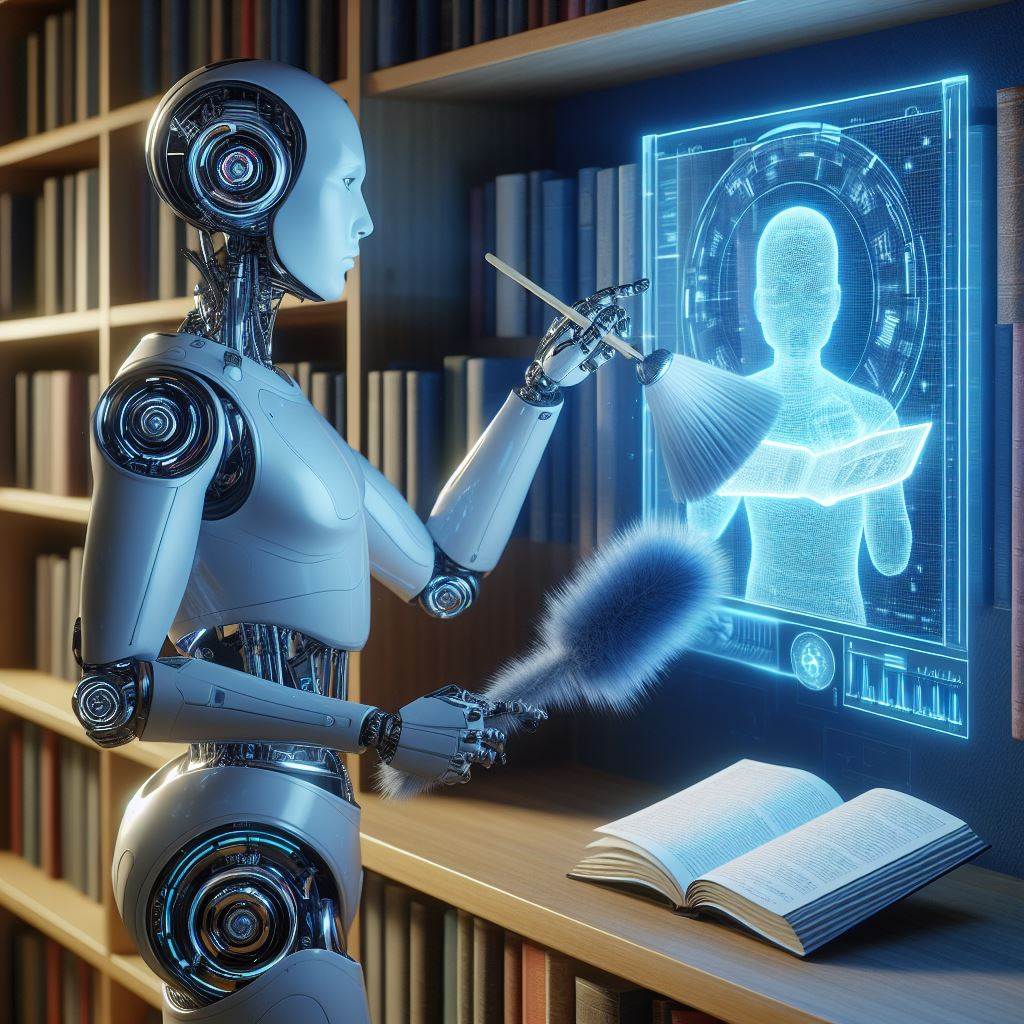
1. Enhanced Cleaning Processes: AI-powered cleaning robots equipped with advanced sensors and machine learning algorithms will revolutionise traditional cleaning processes. These robots will be capable of autonomously navigating indoor environments, identifying areas that require cleaning, and efficiently executing cleaning tasks with precision. Whether it’s vacuuming floors, scrubbing surfaces, or disinfecting high-touch areas, AI-enabled robots will streamline cleaning operations and deliver consistently high-quality results.
2. Predictive Maintenance: AI algorithms can analyse data collected from cleaning equipment, such as vacuum cleaners and floor scrubbers, to predict potential maintenance issues before they occur. By monitoring performance metrics and detecting anomalies in real-time, AI systems can schedule proactive maintenance tasks, such as replacing worn-out parts or servicing machinery, to prevent costly breakdowns and minimise downtime.
3. Customised Cleaning Solutions: AI-powered cleaning systems can adapt to the unique needs and preferences of individual users or environments. By analysing data on foot traffic patterns, occupancy levels, and cleaning requirements, AI algorithms can optimise cleaning schedules, allocate resources efficiently, and tailor cleaning protocols to specific areas or surfaces. This level of customisation ensures that cleaning efforts are targeted where they are needed most, maximising efficiency and productivity.
4. Environmental Sustainability: AI-driven cleaning solutions prioritise environmental sustainability by optimising resource usage and reducing waste. Smart sensors embedded in cleaning equipment can monitor water and detergent consumption, adjusting usage levels based on real-time conditions to minimise waste and conserve resources. Additionally, AI algorithms can optimise cleaning routes and schedules to reduce energy consumption and minimise carbon emissions, contributing to a cleaner and greener future.
5. Remote Monitoring and Control: AI technology enables remote monitoring and control of cleaning operations, allowing supervisors to oversee multiple cleaning tasks simultaneously from a central dashboard. Real-time alerts and notifications can inform managers of cleaning progress, equipment status, and any potential issues that require attention. This remote monitoring capability enhances transparency, accountability, and responsiveness in cleaning operations, ensuring that tasks are completed efficiently and to the highest standards.
6. Integration with Internet of Things (IoT): AI-powered cleaning systems can seamlessly integrate with the Internet of Things (IoT) ecosystem, enabling interoperability with other smart devices and systems. For example, AI-enabled cleaning robots can communicate with smart building systems to receive real-time updates on occupancy levels, temperature settings, and air quality metrics. This integration facilitates data sharing and collaboration between different components of the built environment, optimising overall performance and enhancing user experience.
The future of cleaning is bright with the integration of AI technology. From autonomous cleaning robots and predictive maintenance algorithms to customised cleaning solutions and environmental sustainability initiatives, AI-driven innovations will transform the cleaning industry, making cleaning operations more efficient, effective, and environmentally friendly than ever before. As AI continues to evolve, we can expect to see further advancements that revolutionise the way we clean and maintain our living and working spaces.
