
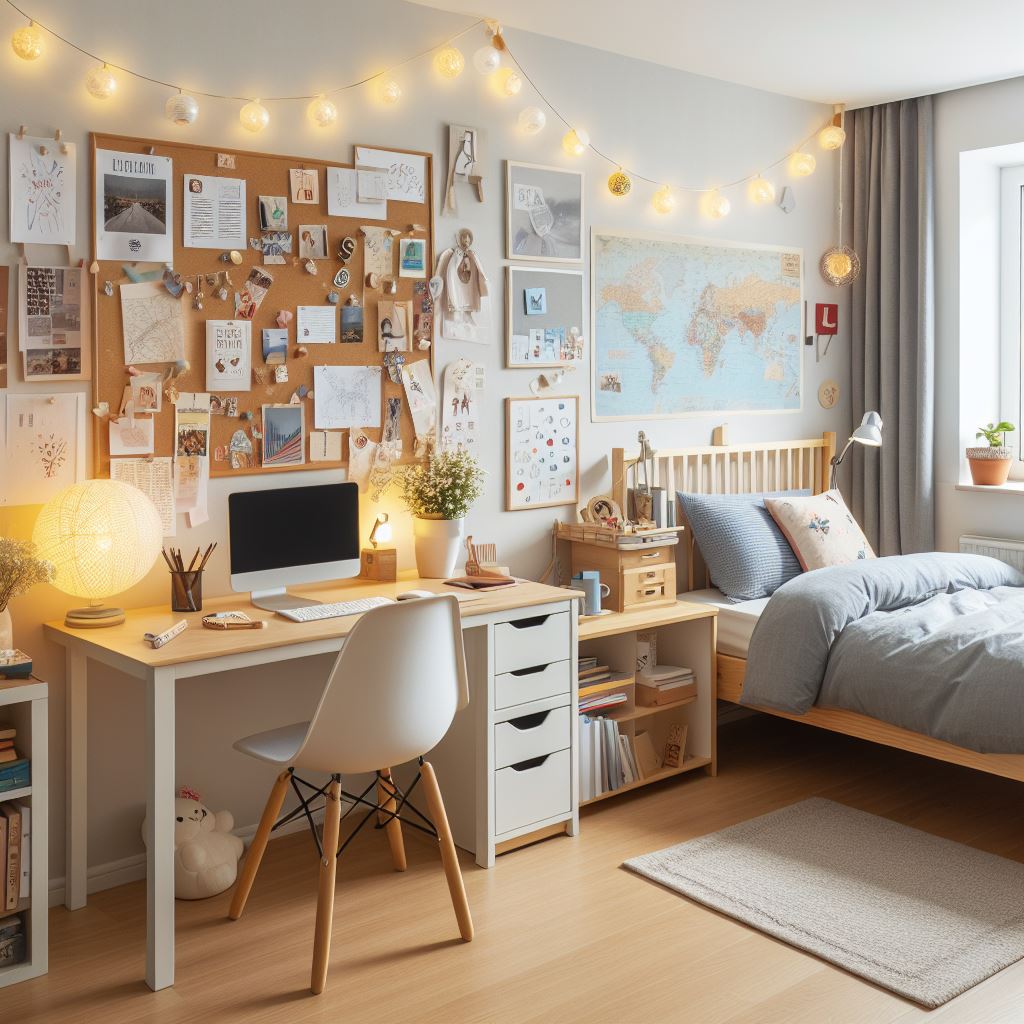
As a landlord, furnishing a student property requires careful consideration to ensure that it meets the needs and preferences of your tenants while also being durable, functional, and cost-effective. With the right approach, you can create a comfortable and inviting living space that attracts tenants and enhances the rental experience. Here’s a comprehensive guide to furnishing a student property:
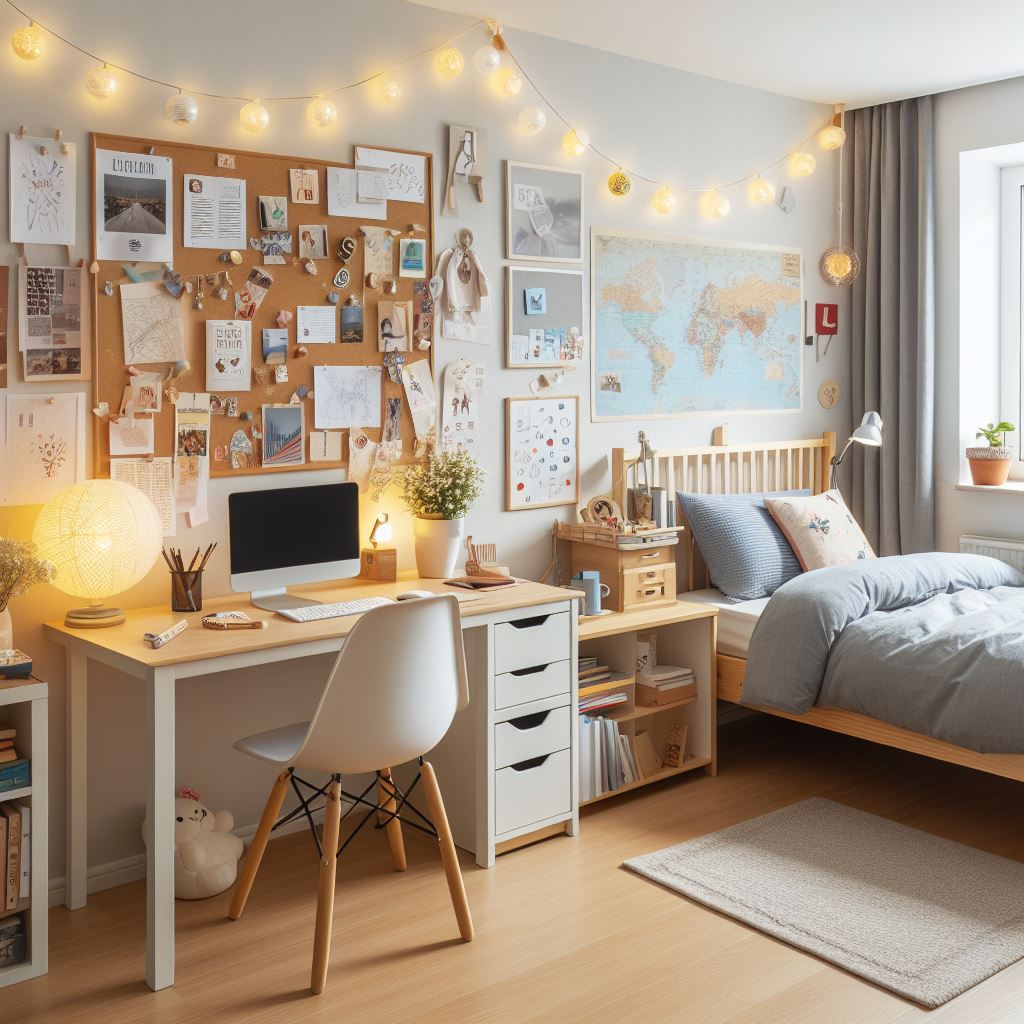
1. Identify Essential Furnishings: Start by identifying the essential furnishings needed to create a functional living space for your student tenants. This typically includes:
- Bedroom furniture: Beds (single or double), mattresses, wardrobes, desks, and chairs.
- Living room furniture: Sofas, coffee tables, side tables, and storage units.
- Kitchen essentials: Dining table and chairs, refrigerator, oven/stove, microwave, kettle, toaster, and basic cooking utensils.
- Bathroom essentials: Shower curtain, bath mat, toilet brush, and basic toiletries storage.
2. Choose Durable and Low-Maintenance Furnishings: When selecting furniture for a student property, opt for durable and low-maintenance materials that can withstand frequent use and potential wear and tear. Consider investing in easy-to-clean fabrics, stain-resistant surfaces, and sturdy construction to prolong the lifespan of your furnishings and minimize the need for repairs or replacements.

3. Prioritize Comfort and Functionality: Students value comfort and functionality in their living spaces, so prioritize furnishings that are comfortable, ergonomic, and practical. Choose supportive mattresses, ergonomic desk chairs, and ample storage solutions to enhance the comfort and convenience of your student tenants. Additionally, consider multifunctional furniture pieces that serve multiple purposes, such as sofa beds or dining tables with built-in storage.
4. Budget Wisely: Furnishing a student property can be a significant investment, so it’s important to budget wisely and prioritize essential furnishings that provide the most value for your money. Consider shopping for second-hand furniture, exploring bulk-buy discounts, or negotiating deals with furniture suppliers to save costs without compromising on quality. Remember to factor in ongoing maintenance and replacement expenses when budgeting for furnishings.
5. Consider Student Preferences and Trends: Stay informed about student preferences and trends in interior design to ensure that your furnished property remains attractive and competitive in the rental market. Consider incorporating modern and stylish furnishings, trendy decor accents, and amenities that appeal to the lifestyle and interests of your target student demographic. Keep an eye on popular trends in student housing, such as ergonomic study spaces, social communal areas, and eco-friendly furnishings.
6. Provide Clear Guidelines and Expectations: Communicate clear guidelines and expectations regarding the use and care of furnishings to your student tenants to prevent damage and maintain the property’s condition. Provide written instructions on how to properly clean and maintain furniture, report any damages or issues promptly, and adhere to any rules regarding furniture rearrangement or modifications.

7. Consider Professional Furnishing Services: If you’re unsure about furnishing a student property yourself, consider enlisting the help of professional furnishing services or interior designers who specialize in student accommodation. These experts can provide valuable advice, assistance with furniture selection and layout, and help you create a cohesive and attractive living environment that maximizes rental potential.
By following these tips, you can effectively furnish a student property that meets the needs and preferences of your tenants while also maximizing rental income and property value. With careful planning, budgeting, and attention to detail, you can create a comfortable and inviting living space that attracts tenants and enhances their overall rental experience.
