
Maintaining Your Bathroom: How Frequently Should You Clear Clogged Pipes
A smoothly running bathroom is essential for a stress-free daily routine, and clogged pipes can disrupt this tranquility. The accumulation of hair, soap scum, and other debris often leads to blockages, causing water to drain slowly or back up in sinks, showers, or baths. To prevent these nuisances, understanding how often to clear clogged bathroom pipes is crucial. Here’s a guide to help you maintain a smoothly flowing plumbing system.
1. Signs of Clogged Bathroom Pipes
Recognizing the signs of clogged pipes is vital in determining when it’s time to address the issue:
- Slow drainage: Water taking longer than usual to drain from sinks, showers, or baths.
- Gurgling noises: Unusual sounds coming from drains when water flows or is being drained.
- Foul odours: Unpleasant smells emanating from drains, indicating a buildup of organic matter.
2. General Frequency for Clearing Clogged Pipes
As a preventive measure, it’s advisable to clear bathroom pipes proactively every few months, even if there are no visible signs of clogs. However, this frequency may vary based on several factors, including the number of occupants in the house, the amount of hair or debris produced, and the overall condition of the plumbing.
3. Preventive Measures to Avoid Clogs
Implementing preventive measures can help reduce the frequency of clogged pipes and keep your bathroom plumbing in good condition:
- Use drain guards: Install drain guards or screens in sinks, showers, and baths to catch hair and debris before they enter the pipes.
- Regular cleaning: Perform routine cleaning of drains using natural solutions like a mixture of vinegar and baking soda or commercially available drain cleaners.
- Avoiding certain items: Refrain from disposing of grease, coffee grounds, sanitary products, and other non-degradable items down the drains.
4. Clearing Clogs Using Home Remedies
In case of a minor clog, several home remedies can help alleviate the issue:
- Pour boiling water down the drain to dissolve grease and soap residue.
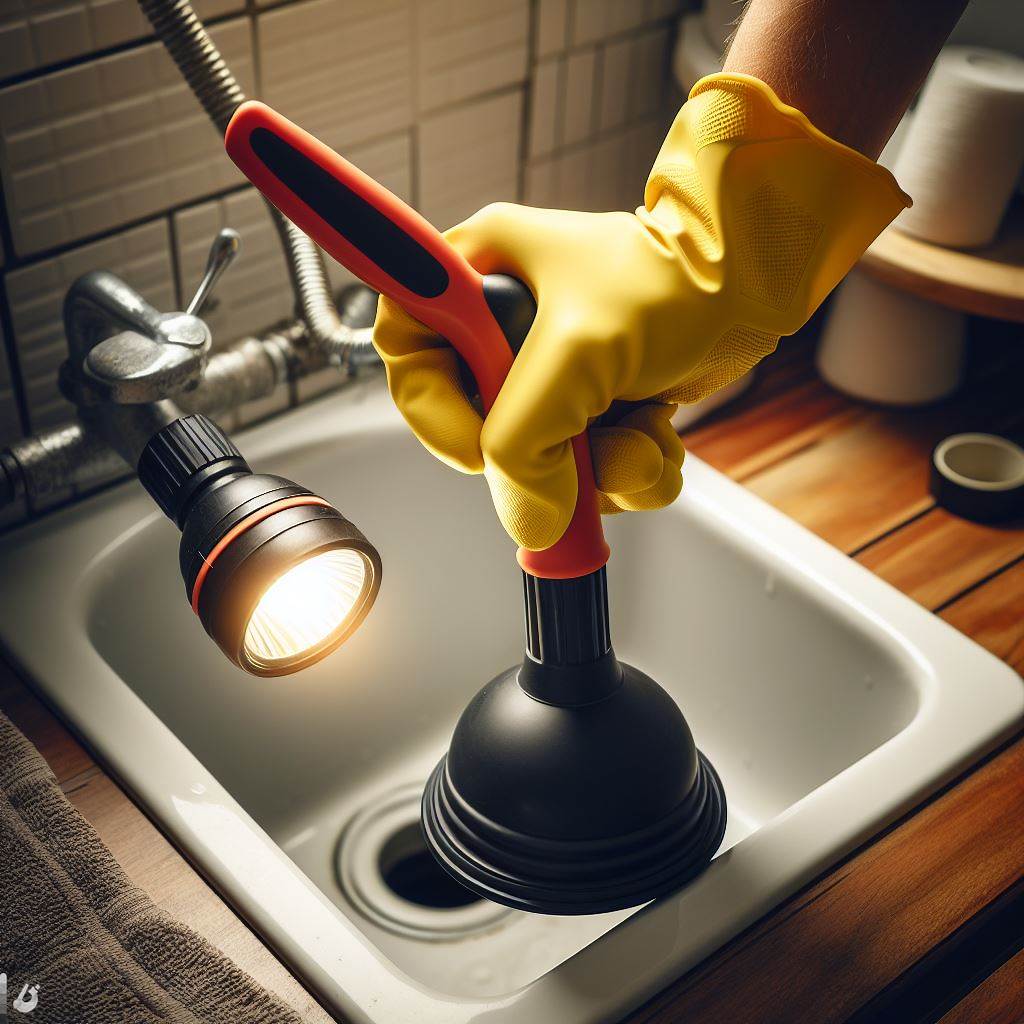
- Use a plunger to create pressure and dislodge the blockage.
- Employ a drain snake or auger to reach deeper clogs and pull out accumulated debris.
5. Seeking Professional Help
For persistent or severe clogs that home remedies cannot resolve, it’s advisable to seek professional assistance. Plumbing services have specialized tools and expertise to address complex clogs and ensure the proper functioning of your bathroom pipes.
6. Conclusion
Regular maintenance and proactive measures play a significant role in preventing clogged bathroom pipes. By addressing minor issues promptly and implementing preventive practices, you can reduce the frequency of major clogs, ensuring a smoothly functioning plumbing system in your bathroom.
Understanding the signs of clogged pipes and adopting a proactive approach to maintenance will contribute to a hassle-free and functional bathroom environment. Regular clearing of clogs and preventive measures can save you from inconvenient plumbing issues and help maintain a smoothly flowing bathroom.
